
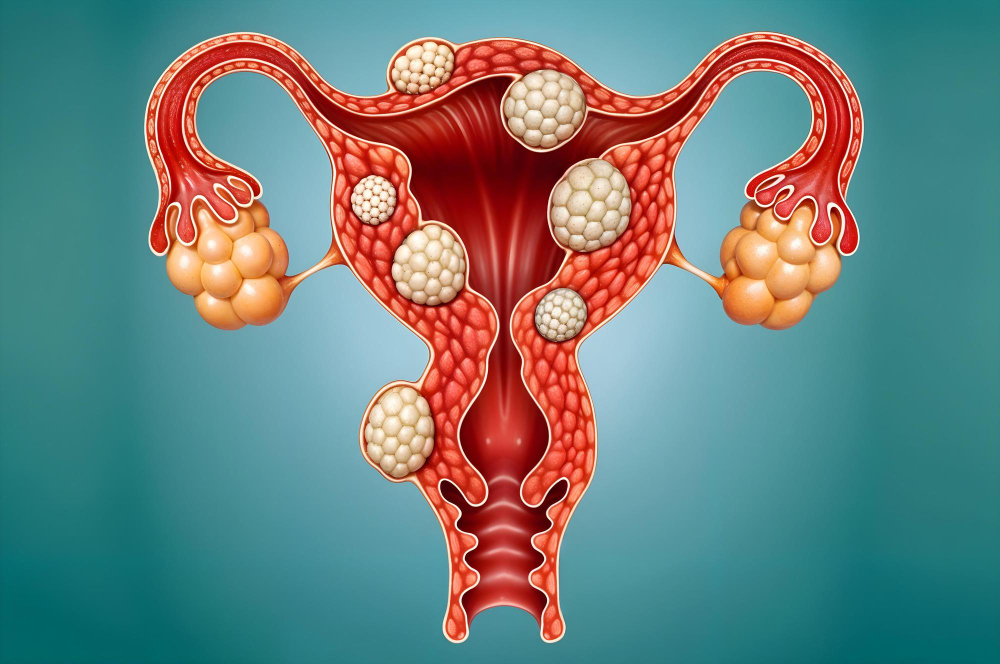
What Are Uterine Fibroids?
Uterine fibroids are non-cancerous growths that form in or on the uterus. Many women develop these fibroids during their childbearing years. In fact, the Centers for Disease Control and Prevention (CDC) states that up to 70% of women may have fibroids by age 50. Although most fibroids are harmless, some can cause discomfort or health problems. Because uterine fibroids are common, it is important to know their symptoms and treatment options.
Common Symptoms of Uterine Fibroids
Not all women with uterine fibroids have symptoms. However, some may notice changes in their bodies. For example, you might experience:
Sometimes, fibroids can also cause pain during sex or lead to problems with pregnancy. If you notice any of these signs, it is wise to talk to your doctor. Early care can help manage symptoms and prevent complications.
How Uterine Fibroids Are Diagnosed
Doctors use several methods to diagnose uterine fibroids. First, your doctor may ask about your symptoms and medical history. Next, a pelvic exam helps check for any changes in the uterus. In addition, doctors often use imaging tests, such as:
Because these tests are safe and painless, they are often used to confirm a fibroid diagnosis. Your doctor will choose the best test based on your symptoms.
Treatment Options for Uterine Fibroids
Treatment for uterine fibroids depends on your symptoms, age, and plans for having children. Sometimes, no treatment is needed if fibroids do not cause problems. However, if you have symptoms, there are several options:
Because every woman is different, your doctor will help you choose the best treatment for your needs. In the United States, many women prefer non-surgical options when possible.
Lifestyle Tips and Prevention
While you cannot always prevent uterine fibroids, some healthy habits may lower your risk. For instance, you can:
Although these steps do not guarantee prevention, they support overall health. In addition, regular check-ups help catch any changes early.
When to See a Doctor
If you notice heavy periods, pain, or other unusual symptoms, it is important to seek medical advice. Early diagnosis can help prevent complications. Moreover, if you plan to become pregnant or have trouble with fertility, talk to your doctor about uterine fibroids. Prompt care ensures you get the right treatment at the right time.
For personalized advice on uterine fibroids, consult a gynecologist at Ekam Fertility & Women. Your doctor can guide you through diagnosis and treatment options that fit your needs.