
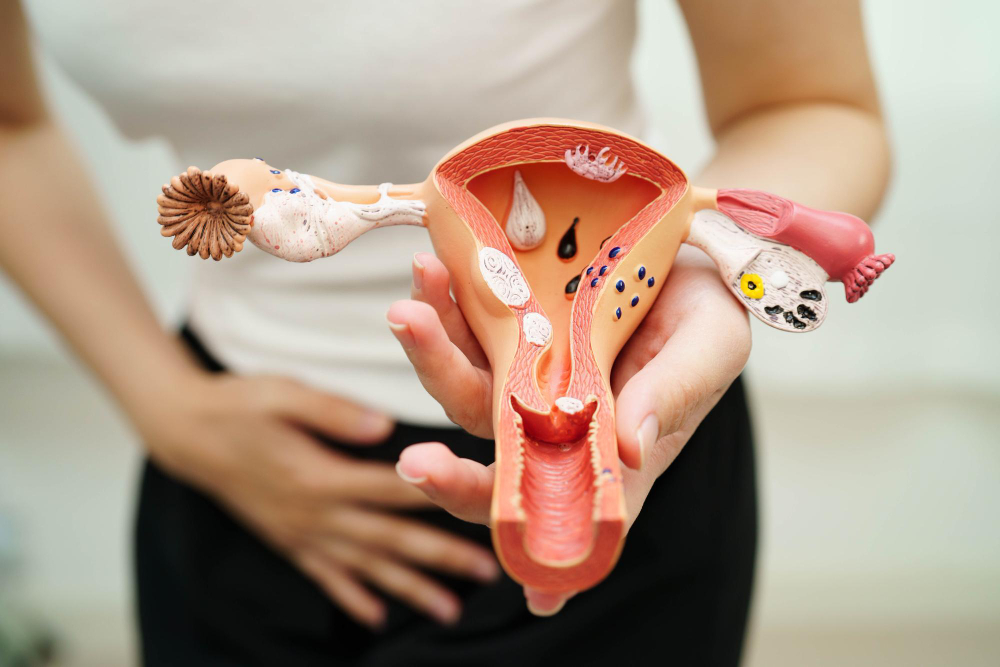
What Are Uterine Fibroids?
Uterine fibroids are non-cancerous growths that form in or on the uterus. Many women in the United States have them at some point. However, most fibroids do not cause serious problems. These growths can vary in size, from very small to large. Sometimes, they can change the shape of the uterus. Although fibroids are common, not everyone has symptoms. For some, they may go unnoticed for years.
Common Symptoms of Uterine Fibroids
Not all women with uterine fibroids have symptoms. Yet, when symptoms do appear, they can affect daily life. For example, heavy periods are a common sign. Additionally, some women may feel pain or pressure in the lower belly. Here are some common fibroid symptoms:
However, these symptoms can also be caused by other health issues. Therefore, it is important to talk to a doctor if you notice any changes.
Causes and Risk Factors
Doctors do not know the exact cause of uterine fibroids. However, several factors may increase your risk. For instance, hormones like estrogen and progesterone seem to play a role. Additionally, genetics can make some women more likely to develop fibroids. Here are some common uterine fibroids causes and risk factors:
Even though these factors can raise your risk, anyone with a uterus can develop fibroids.
How Uterine Fibroids Are Diagnosed
Doctors use several methods to find out if you have uterine fibroids. First, your doctor will ask about your symptoms and medical history. Then, a pelvic exam may be done to feel for changes in the uterus. However, imaging tests are often needed for a clear diagnosis. Here are common ways how uterine fibroids are diagnosed:
Because symptoms can be similar to other conditions, these tests help confirm the diagnosis.
Treatment Options for Uterine Fibroids
Treatment for uterine fibroids depends on your symptoms, age, and plans for pregnancy. Some women do not need treatment if they have no symptoms. However, if fibroid symptoms affect your life, several fibroid treatment options are available:
Because each case is different, your doctor will help you choose the best option.
Lifestyle Tips and Prevention
While you cannot always prevent uterine fibroids, healthy habits may lower your risk. For example, eating more fruits and vegetables can help. Additionally, staying at a healthy weight is important. Here are some tips:
Although these steps may not prevent all fibroids, they support your overall health.
When to See a Doctor
It is important to know when to seek medical advice. For instance, if you have heavy periods, severe pain, or trouble getting pregnant, see a doctor. Additionally, if you notice any new or unusual symptoms, do not wait. Early diagnosis can help manage fibroids and prevent complications.
In summary, uterine fibroids are common but treatable. If you have concerns or symptoms, consult a gynecologist at Ekam Fertility & Women for personalized advice about uterine fibroids.